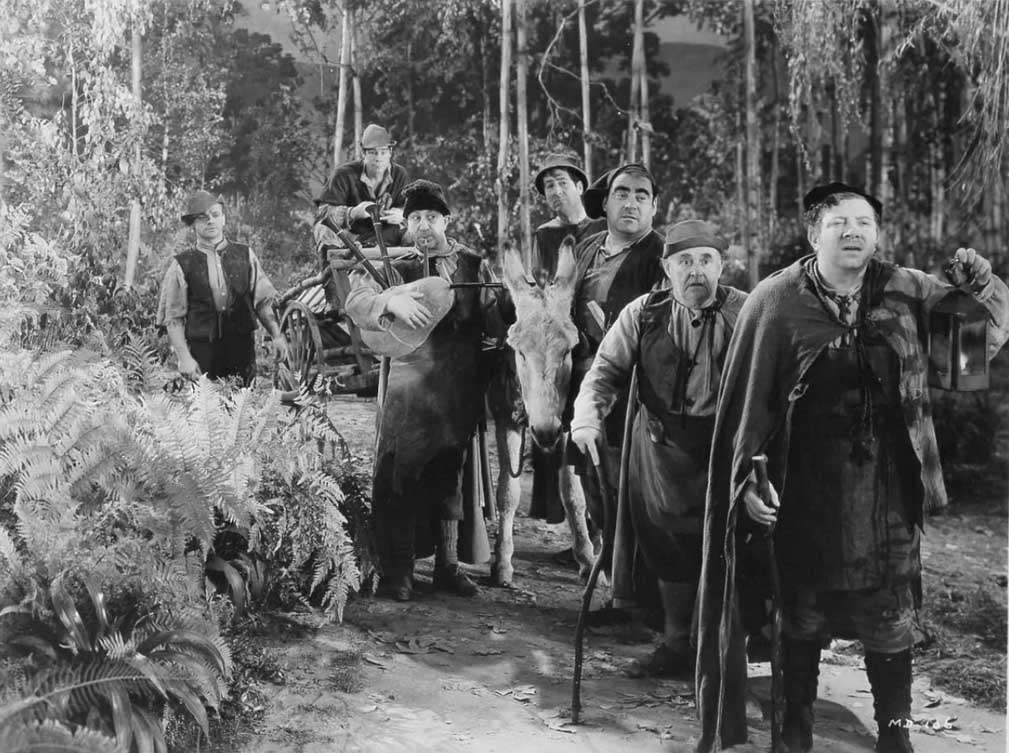
Information
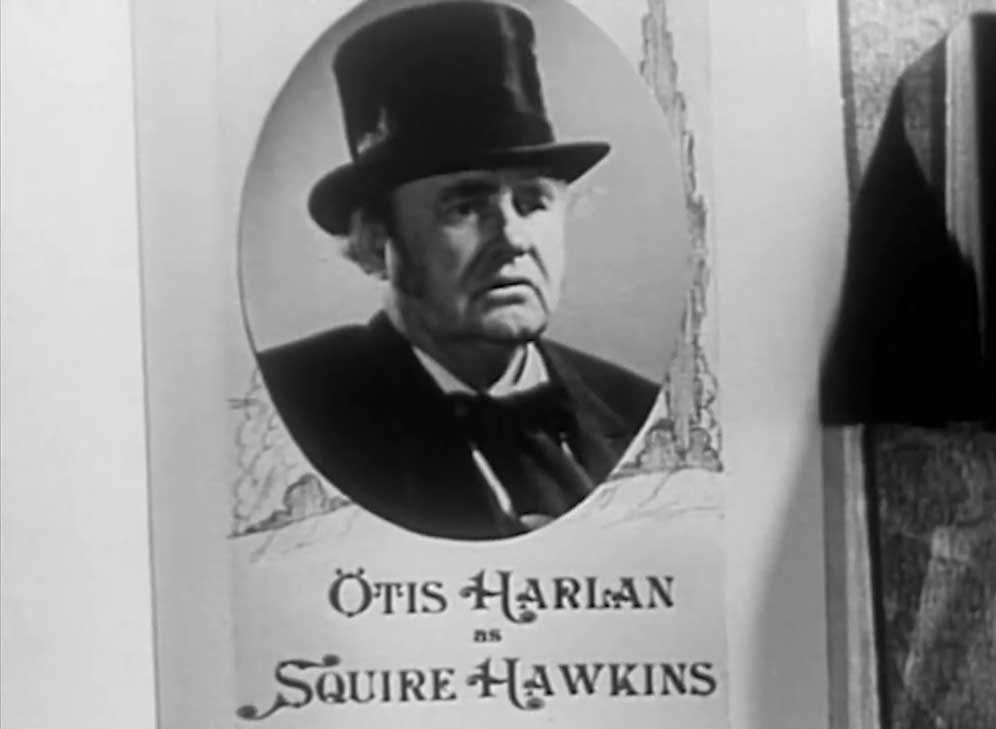
Full name: Otis Harlan
Birth: December 29, 1865 in Zanesville, Ohio
Death: January 21, 1940 in Martinsville, Indiana
Marriage:
Nellie Harvey (November 4, 1902 – January 21, 1940)
Job on Snow White:
Voice of Happy (uncredited)
Back to Cast
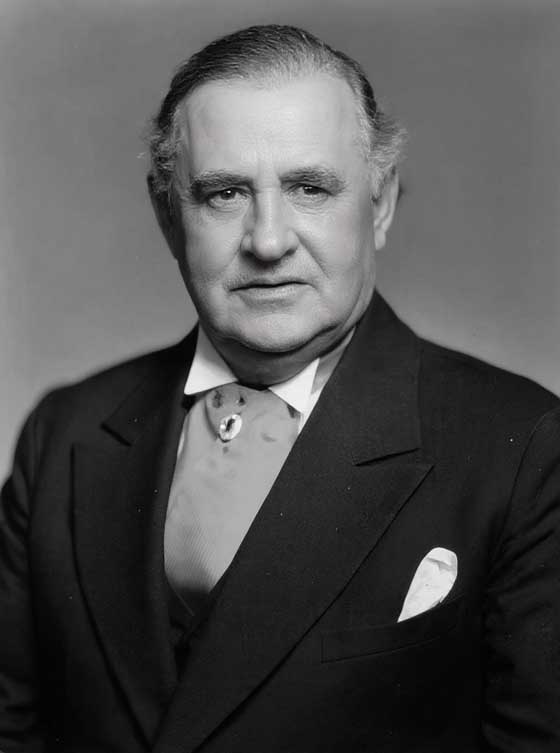
A happy vaudeville artist
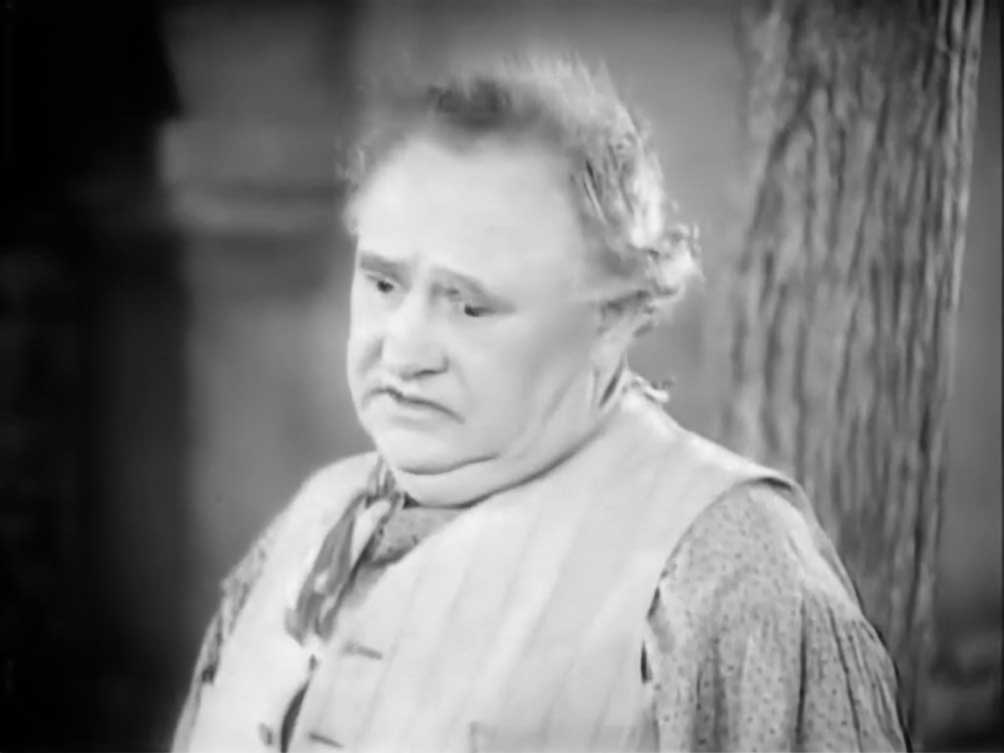
Otis Harlan was an American stage, film, and voice actor best remembered for his warm comic presence and distinctive character work during the early sound era of Hollywood. Born in Zanesville, Ohio, Harlan began his career in vaudeville and on the theatrical stage, where he developed a genial, folksy persona that would define his screen roles.
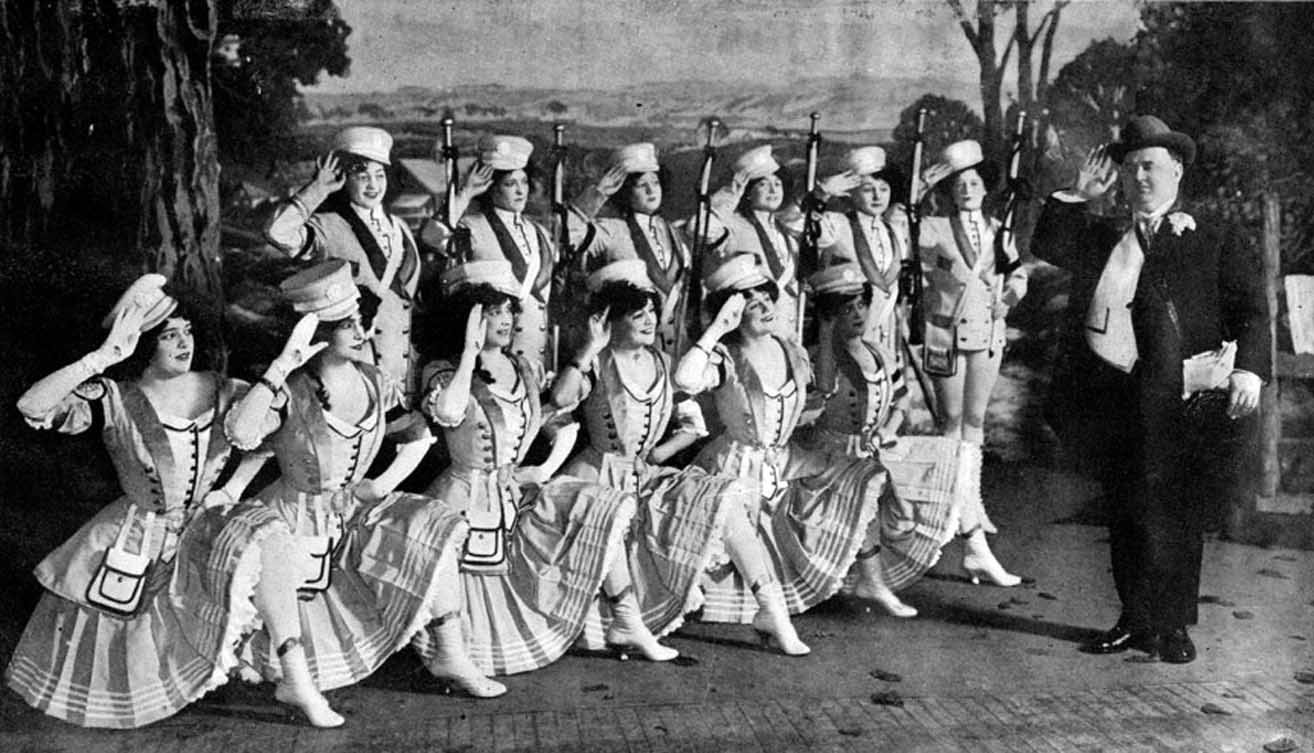
According to the short text that was found on the back of the trading cards offered in cigarette packs at the time, he made his forst appearance with Charles Hoyt as the romantic young man in “The Hole in the Ground”. He next appeared with Frank Daniels in “Little Puck” then returned to Hoyt as one of the Razzle Dazzle trio in “A Brass Monkey”. “A Texas Steer” followed. His greatest success was in “Black Sheep”, “A Stranger in New York”, “A Nigt and a Day”. The Vanderbilt Cup” and “The Parisian Model” followed.”
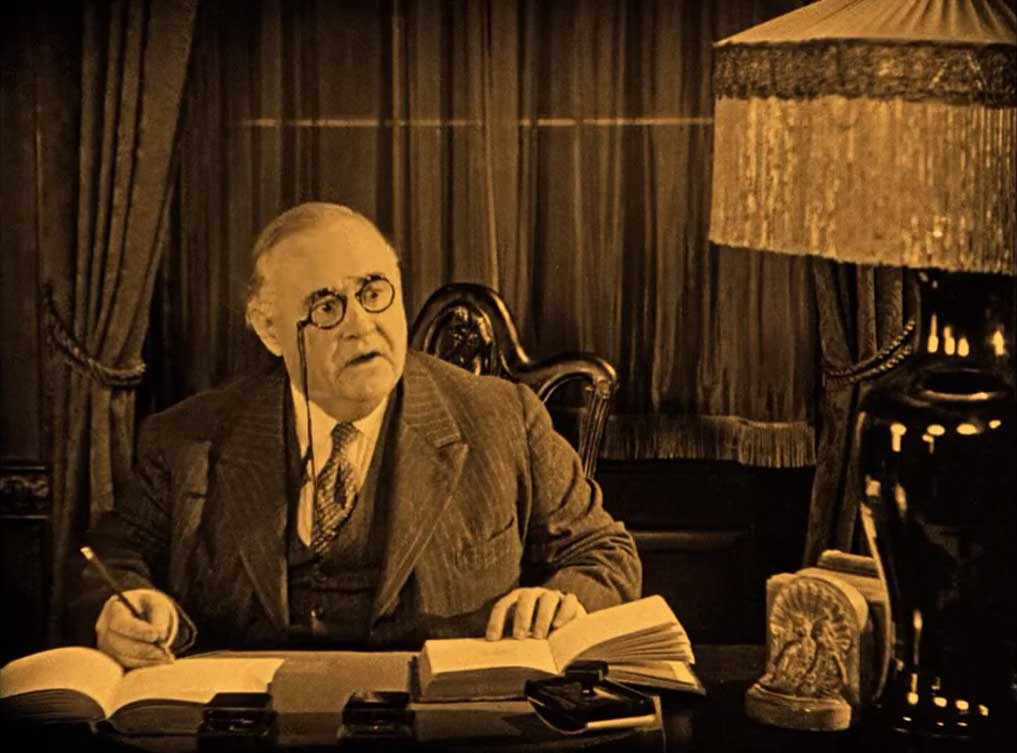
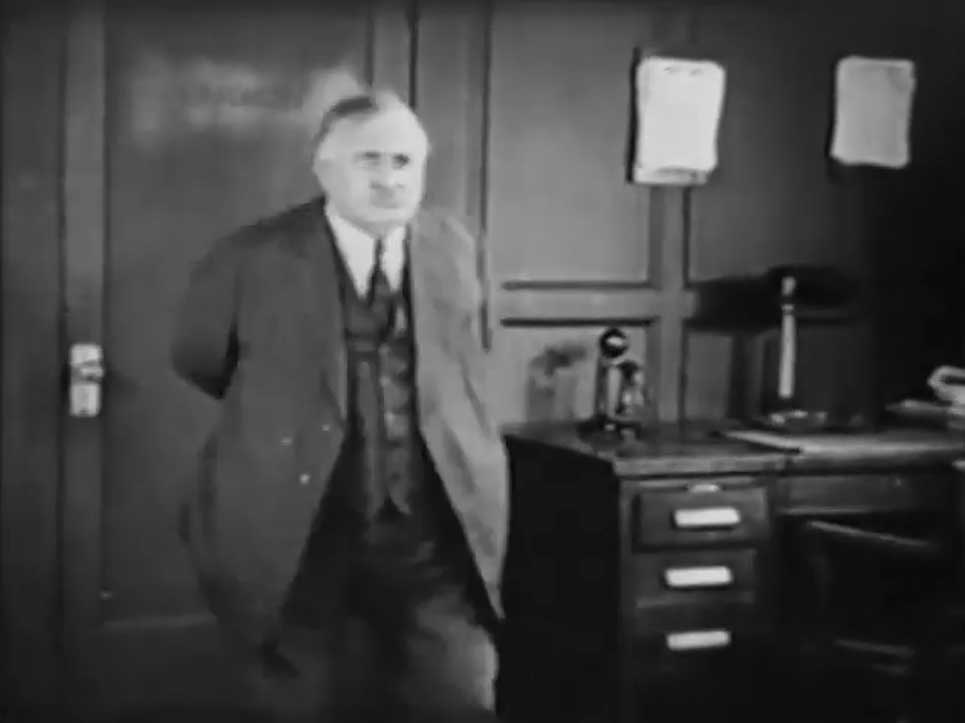
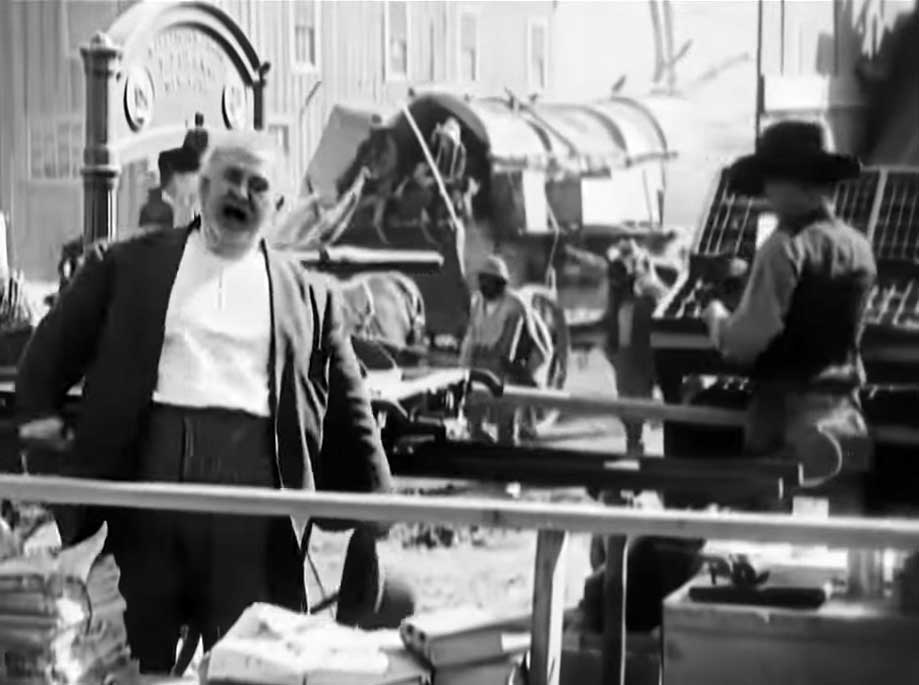
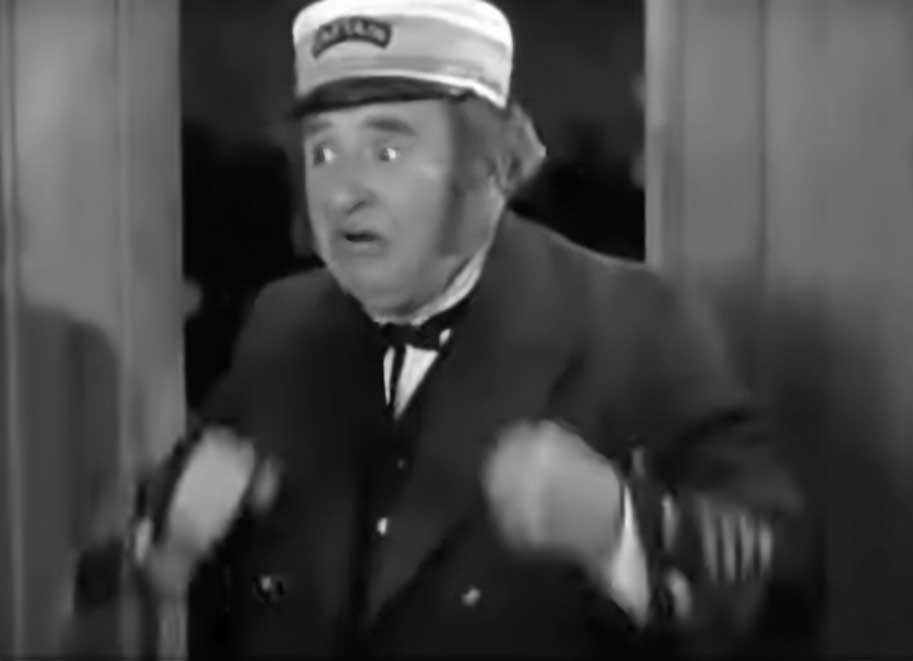
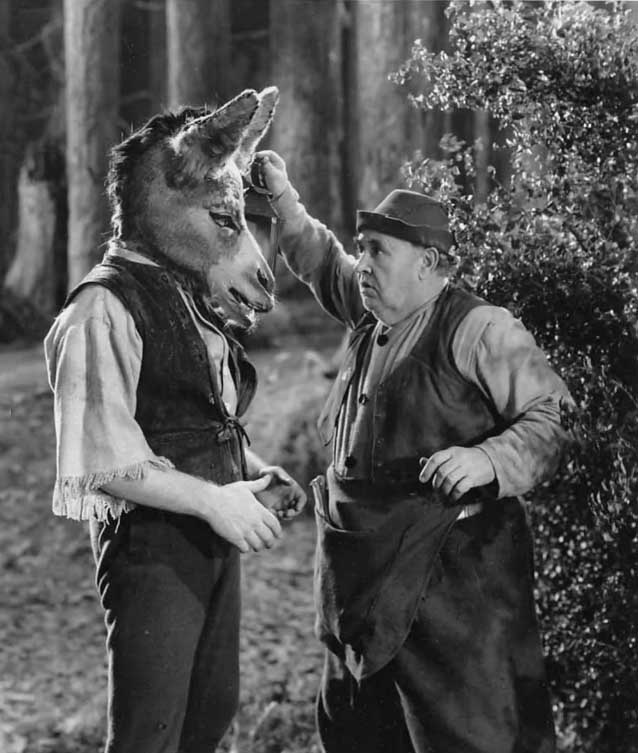
Transitioning to motion pictures in the 1910s, Harlan appeared in dozens of silent and early talking films, often portraying kindly fathers, small-town figures, or humorous side characters. He is Norma Shearer’s father in The Student Prince in Old Heidelberg, Captian Andy Hawkes in Show Boat, Corliss in Captain Blood,… His natural delivery and expressive voice made him particularly well suited to sound films at a time when many silent performers struggled with the transition.
Harlan’s most enduring legacy came in animation. In 1937, he provided the voice of Happy in Snow White and the Seven Dwarfs. His lively performance, marked by charming, infectious laughter, helped define the character and contributed significantly to the film’s emotional warmth and humor. He was even supposed to be the lead singer in Music in your Soup before the song was cut.
For Walt Disney, he also was the cheerful voice of radio host Uncle Smiley in Self Control, a 1938 Donald Duck short, in which he even briefly sings “Count to 100”.
Otis Harlan continued working steadily until his death in 1940. Though rarely a leading man, his talent for character acting and his contribution to cinema’s formative years secured him a lasting place in film history.